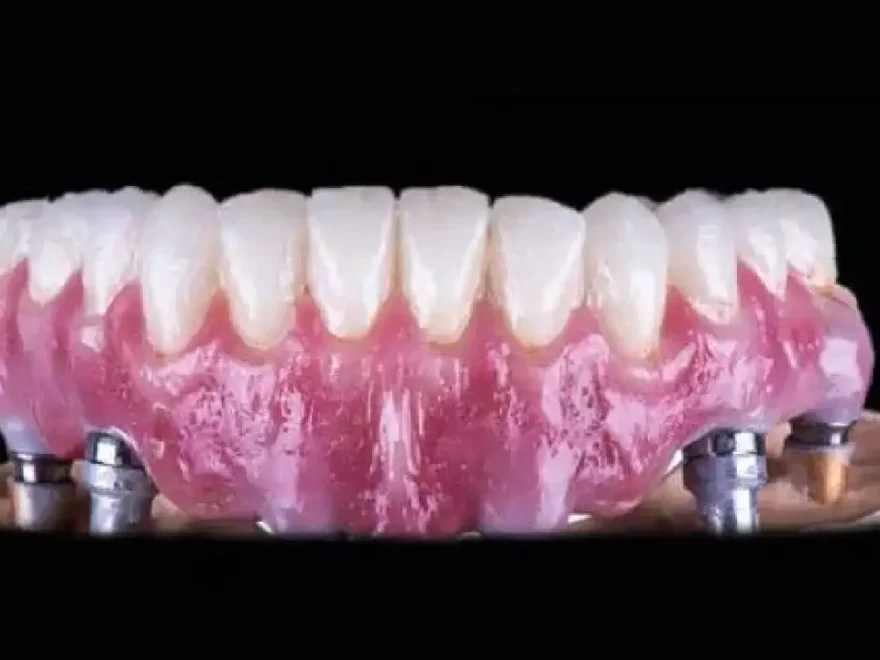
If you’re considering dental implants, one big question comes up quickly: should you go for immediate implants or stick with the traditional approach? Both options replace missing teeth with strong, natural-looking results, but the timing and process are very different.
So which one wins? The answer depends on your bone health, gum condition, and overall treatment goals. Getting clear guidance from a professional dental implant center near me can help you decide with ease.
Speed vs. healing time:
The most obvious contrast is the timeline. Immediate implants live up to their name. The procedure places the implant into the jawbone right after the tooth is removed. You leave the office with the foundation already set. Traditional implants follow a different rhythm. After the tooth is pulled, you wait for the gum and bone to heal completely. This healing period can last several months before the implant is even placed.
Bone health and your gums:
Your jawbone is living tissue that changes after a tooth loss. Immediate placement helps preserve the existing bone right away. Placing the implant quickly can keep the bone volume stable. Traditional implants require waiting, and during that healing time, some bone shrinkage can occur.
The look of your smile right away:
Aesthetics matter, especially for front teeth. With immediate implants, a temporary crown is often attached the same day. This means you do not have a gap in your smile during the healing process. Traditional methods involve wearing a temporary partial denture or a bridge while you wait for the bone to heal. You get the final, permanent crown after several months.
Who is the right candidate?
Your personal health plays a major role in which method wins. Immediate implants require the gum to be healthy and free of infection at the extraction site. The bone must also be thick and strong enough to hold the implant firmly right away. Traditional implants are often a better fit if there is an active infection or if the bone needs time to recover after the extraction.
The number of office visits:
Consider your schedule and comfort level. Immediate implants combine the extraction and placement into one visit. This means fewer trips to the office overall. Traditional implants require a separate visit for the extraction, a separate surgery for the placement after healing, and then another visit for the crown. This path involves more appointments spread out over a longer period.