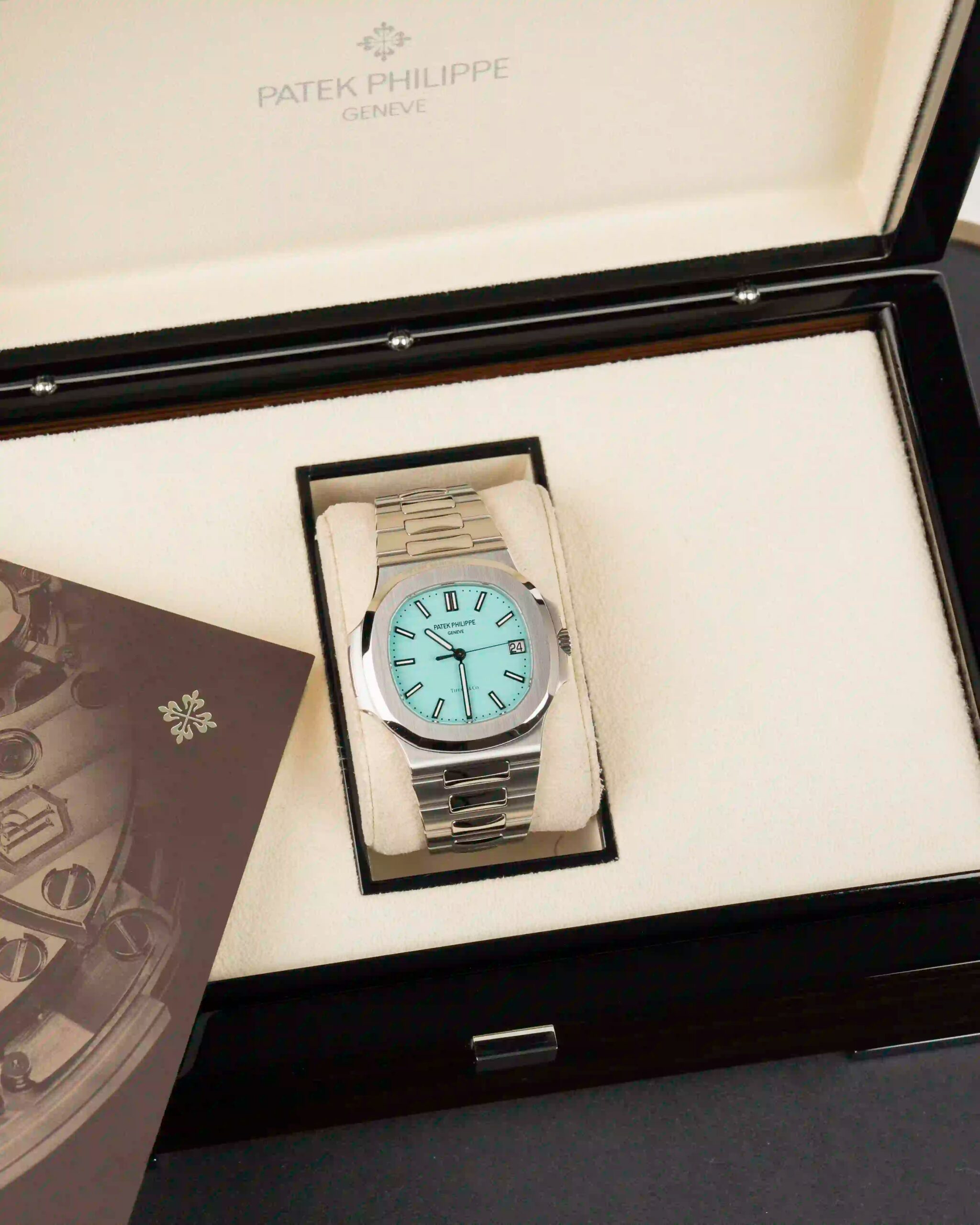
Founded in 1839, Patek Philippe has been crafting exquisite timepieces for over 180 years. One of their most notable achievements lies in their mastery of finishing techniques, which sets them apart from other watchmakers.
Patek Philippe’s watches are pieces of art that showcase the highest level of craftsmanship. Each component of their watches undergoes meticulous hand-finishing by skilled artisans who have spent years perfecting their craft. This attention to detail and commitment to excellence is what makes Patek Philippe Calatrava stand out in the world of horology.
Geneva stripes:
Parallel lines run across bridges and plates. Artisans use rotating brass tools to cut precise grooves. Each stripe maintains consistent width and depth. The angle of cut creates light-catching reflections. This technique originated in the Geneva region centuries ago.
Pelage:
Circular patterns cover flat movement surfaces. Small rotating brushes create overlapping circles. Each circle touches the next with perfect spacing. The effect resembles fish scales under magnification. Artisans work under high-powered microscopes. This finishing covers areas where Geneva stripes do not reach.
Anglage:
Sharp edges receive polished bevels. Craftsmen file edges at specific angles. Polishing compounds create mirror-like reflections. Each bevel catches light from every viewing angle. The process demands extraordinary hand stability. A single slip ruins the entire component.
Black polishing:
Metal surfaces achieve absolute mirror finish. Craftsmen use tin plates with diamond paste. The component moves in figure-eight patterns. This technique removes microscopic scratches completely. The finished surface reflects images without distortion.
Circular graining:
Mainplates receive concentric circular patterns. Rotating abrasive tools create fine lines. The pattern radiates from central pivot points. This finishing adds visual depth to flat surfaces. Craftsmen control pressure with delicate precision. The effect enhances the movement’s three-dimensional appearance.
Sunburst brushing:
Radiating lines emanate from gear centers. Artisans rotate components against abrasive surfaces. Each line travels outward with perfect straightness. The effect mimics sunlight rays spreading outward. This technique appears on visible wheel surfaces. Different angles create varying light reflections.
Synthetic ruby bearings receive polished chamfers. Craftsmen shape jewel edges with diamond tools. The angle allows smooth oil flow across surfaces. Polished jewels reduce friction on pivots. Each jewel gets individual attention under magnification. This treatment improves both function and aesthetics.
Engraving:
Master engravers create decorative patterns on plates. Hand tools carve metal with controlled pressure. Script lettering identifies movement models and details. Floral patterns appear on certain commemorative pieces. Each cut requires years of practice. The engraving adds personal character to each movement.